Mastering the Cardboard Carton Box, FEFCO-304 Standard for Custom Packaging
In the world of product packaging, the difference between a forgettable unboxing experience and a memorable brand interaction often lies in the structural integrity and design precision of the container. For creators, small business owners, and logistics professionals, understanding the nuances of specific box styles is crucial. One such style that has gained significant traction for its versatility and ease of assembly is the Cardboard Carton Box, FEFCO-304 Standard. This article delves into the practical applications, design capabilities, and real-world utility of this specific folding box style, offering a comprehensive guide for those looking to elevate their packaging game.
Understanding the FEFCO-304 Structure
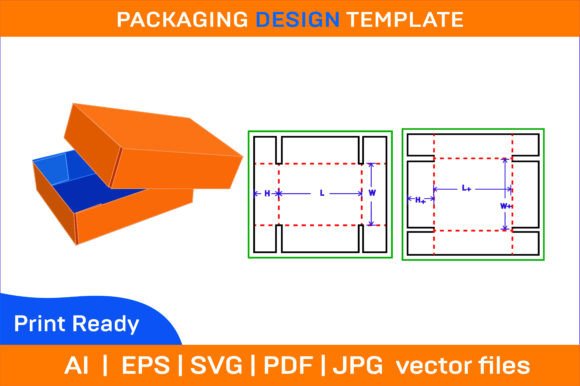
The European Federation of Corrugated Board Manufacturers (FEFCO) established a coding system to standardize box designs globally, ensuring that a "style 304" means the same thing in Tokyo as it does in New York. The Cardboard carton box, FEFCO-304 standard is distinctively known as a telescopic or two-piece box where the lid and base are separate but often designed with similar locking mechanisms. However, in many modern digital template contexts, the term is frequently associated with a specific type of foldable box that offers a secure closure without the need for excessive adhesive during the final assembly by the end-user.
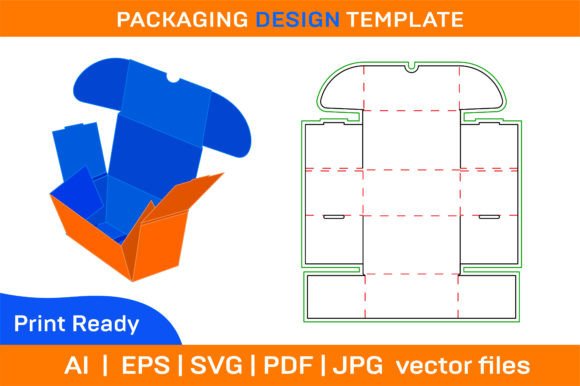
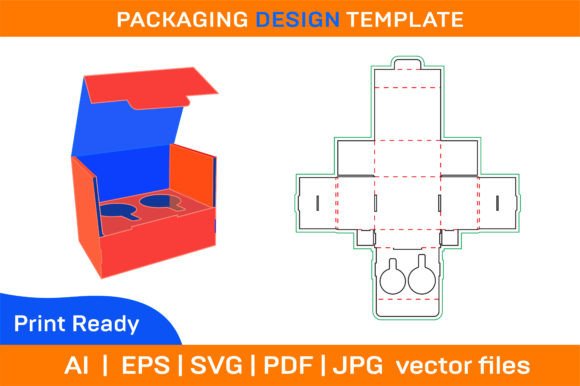
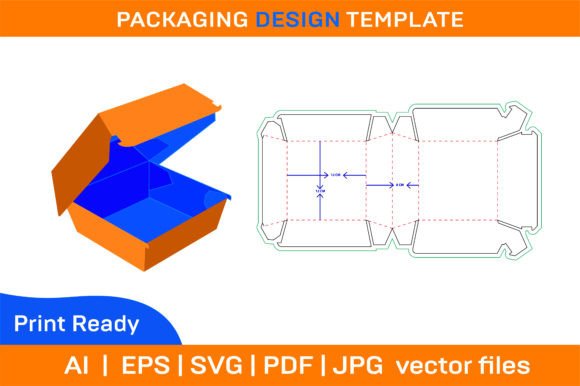
What makes the FEFCO-304 standard box dieline template so valuable is its balance between security and simplicity. Unlike a simple tuck-top box that might pop open under pressure, the 304 style typically features interlocking flaps that create a tighter seal. This makes it an ideal paper box solution for items that need to stay protected during transit but also look pristine upon arrival. Whether you are shipping artisanal soaps, electronic components, or gourmet treats, the structural logic of the 304 design provides a professional finish that generic boxes often lack.
Why Choose a Vector-Based Dieline?
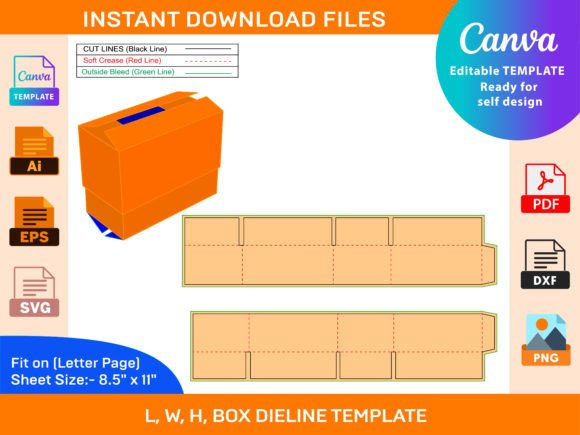
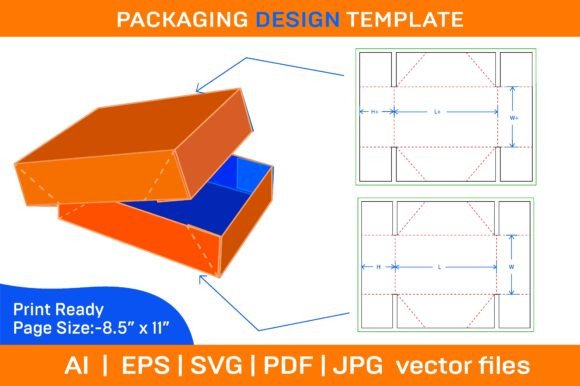
When embarking on a custom packaging project, the foundation of your design is the dieline. A high-quality printable box template is not just a picture; it is a precise map for cutting and folding. The best resources for these templates come in a ZIP archive containing SVG, PDF, EPS, and AI files. Why is this variety essential?
- Scalability: Because the files are vector based, the quality remains crisp at any size. You can shrink the design for a jewelry box or expand it for a larger retail package without losing resolution or encountering pixelation.
- Compatibility: Different professionals use different tools. A graphic designer might prefer Adobe Illustrator (AI), while a hobbyist using a home cutting machine might need SVG files for Silhouette Studio or Cricut Design Space. Engineers might even import DXF or PDF versions into AutoCAD for manufacturing setups.
- Print Readiness: High-resolution quality at 300 dpi ensures that when you send your color template to a professional printer, the output is sharp and vibrant.
Having access to both a color template and a blank template within the same archive empowers users to visualize the final product before committing to a print run. The blank version serves as a perfect canvas for brainstorming, allowing you to test how different ink densities or foil stamps might look on the fold lines.
Practical Applications and Real-World Scenarios
The versatility of the foldable box design found in the FEFCO-304 standard opens up a myriad of possibilities across various industries. Let's explore who benefits most from this specific packaging style and how it is used in practice.
- E-Commerce Brands: For online retailers, the unboxing experience is a critical touchpoint. A custom Cardboard carton box, FEFCO-304 Standard branded with company colors and logos transforms a mundane delivery into a brand statement. The sturdy construction ensures that the product inside remains safe, reducing return rates due to damage.
- Event Planners and Weddings: Custom favors are a staple of modern events. Using a printable box template, planners can create unique containers for candies, small plants, or keepsakes that match the event's theme perfectly. The ability to print on any color paper allows for seamless integration with wedding palettes.
- Artists and Makers: Crafters selling at local markets often need small-batch packaging that looks professional but doesn't require ordering thousands of units from a factory. With an instant download template, an artist can print and assemble boxes at home or via a local print shop as needed, maintaining low overhead costs.
- Corporate Gifting: Companies sending holiday gifts or client appreciation packages benefit from the premium feel of a well-constructed folding box. The 304 style's secure closure suggests quality and attention to detail.
Customization: Bringing Your Vision to Life
One of the most exciting aspects of working with a digital paper box template is the limitless potential for customization. When you download a comprehensive ZIP archive, you aren't just getting a static image; you are getting a toolkit. The inclusion of a 3D box preview file in some advanced templates allows designers to mock up their artwork in a three-dimensional space before printing. This helps in visualizing how the graphics wrap around corners and how the text aligns with the folds.
To create your own boxes, start by selecting your material. While the templates are optimized for standard cardboard, they work exceptionally well on cardstock, kraft paper, or even textured specialty papers. If you choose to print on any color paper you like, remember to adjust your design file accordingly. For instance, if printing on dark kraft, you may need to add a white underbase layer to your graphics to ensure colors pop. The blank template included in the archive is invaluable for this stage, serving as a guide for where to place your die-lines versus your artwork.
Furthermore, the vector nature of SVG and EPS files means you can easily manipulate individual elements. Want to change the shape of a logo? Need to extend a background pattern to fit a slightly larger variation of the box? These edits are straightforward in software like Photoshop or Illustrator, provided you are working with vector paths rather than raster images.
Evaluating Suitability: Strengths and Considerations
While the Cardboard carton box, FEFCO-304 Standard is an excellent choice for many applications, it is important to evaluate its suitability for your specific project needs. Understanding both the strengths and limitations ensures realistic expectations and successful outcomes.
Strengths:
- Durability: The interlocking flap design generally offers better compression strength than simple tuck-end boxes.
- Ease of Assembly: Most 304-style boxes are designed for quick folding, saving time during the packing process.
- Cost-Effectiveness: By utilizing digital templates and printing on demand, businesses can avoid large minimum order quantities (MOQs) typical of custom die-cut manufacturing.
Considerations:
- Material Thickness: When using very thick board, the folding scores may need to be adjusted to prevent cracking. The standard dieline assumes a typical cardstock or corrugated thickness.
- Print Alignment: Home printers or standard office printers may have margin limitations. Always check the "safe zone" on your printable box template to ensure no critical design elements get cut off.
- Volume: For runs exceeding several thousand units, outsourcing to a professional packaging manufacturer with industrial die-cutting equipment may become more cost-effective than in-house printing, despite the convenience of instant download files.
Getting Started with Your Template
Ready to create? The process is streamlined for efficiency. Once you complete your purchase, the files are available for instant download. Extract the ZIP archive to access the full suite of formats. If you encounter any issues with the files—perhaps a corrupted download or a question about compatibility—reputable creators usually invite you to contact me if you have any problems with the files. This support ensures that your project stays on track.
Start by opening the AI or PDF file in your preferred design software. Use the blank template layer to sketch out your layout. Remember that the fold lines are just as important as the cut lines; misaligning graphics across a fold can result in a disjointed final product. Once your design is finalized, export a high-resolution PDF for printing. If you are using a cutting machine, load the SVG file into Silhouette Studio or Cricut Design Space, set your cut lines, and let the machine do the heavy lifting.
In conclusion, the Cardboard carton box, FEFCO-304 Standard represents a perfect intersection of form and function. Whether you are a seasoned packaging engineer or a weekend crafter, leveraging a high-quality, vector-based dieline template empowers you to produce professional-grade packaging tailored exactly to your vision. With the right files and a bit of creativity, you can turn simple sheets of paper into powerful brand assets.