Why the Vector Hexagon Box Logo is Redefining Modern Brand Identity
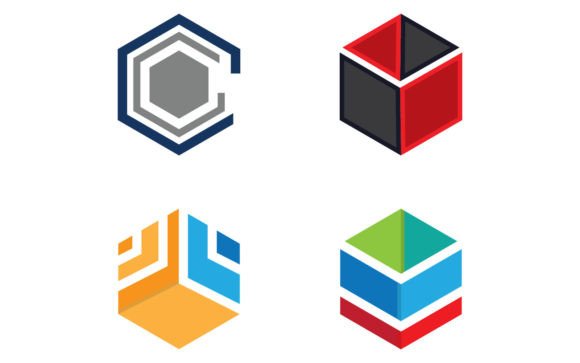
In an era where digital presence often precedes physical interaction, the visual language of a brand must communicate complex values instantly. The Vector Hexagon Box Logo has emerged as a dominant force in this landscape, bridging the gap between abstract geometry and tangible utility. At its core, this design trend combines the structural stability of the hexagon with the functional familiarity of the box or cube. It is not merely an aesthetic choice; it is a strategic response to the evolving needs of businesses operating in logistics, technology, construction, and creative services.
When we analyze why this specific combination of shapes resonates so deeply with modern audiences, we find a convergence of psychological perception and practical application. The hexagon, nature's most efficient shape found in honeycombs and molecular structures, suggests organization, community, and strength. When fused with the concept of a "box"—a universal symbol for containment, delivery, and product—it creates a powerful corporate identity marker. This fusion tells a story of secure transport, innovative packaging, and structured growth without needing a single word of explanation.
The Evolution from Static Signs to Dynamic Geometric Icons
The journey of the corporate logo has shifted dramatically over the last two decades. We have moved away from intricate, detailed illustrations toward simple, scalable, and memorable symbols. The rise of the vector hexagon box motif is a direct result of this shift. In the early days of branding, a company might have used a realistic drawing of a truck or a warehouse to signify shipping or cargo services. Today, such literalism feels dated and cluttered, especially on small mobile screens.
Modern workflows demand vector graphics that retain crispness at any size. A geometric icon based on a hexagon and cube structure offers unparalleled versatility. Whether it is stamped on a parcel, displayed as a favicon on a web browser, or embroidered on a uniform, the integrity of the shape remains intact. This adaptability is crucial for brands navigating the digital ecosystem, where a logo must function across social media avatars, app icons, and high-resolution billboards simultaneously.
Furthermore, the move toward abstraction allows for greater conceptual depth. A hexagon can represent the six sides of a cube viewed isometrically, creating an illusion of 3d depth on a flat plane. This plays into current design preferences for clean lines and spatial awareness. It suggests that a company is forward-thinking and technologically adept. For sectors like technology and internet services, this subtle nod to dimensionality implies innovation and multi-faceted solutions.
Strategic Applications Across Industries
While the visual appeal is undeniable, the true power of this design element lies in its semantic flexibility. Different industries leverage the Vector Hexagon Box Logo to communicate distinct messages tailored to their specific market preferences.
- Logistics and Transport: For companies involved in delivery, shipping, and cargo, the box element is literal yet stylized. It promises safety and order. The hexagonal frame adds a layer of sophistication, distinguishing a premium courier service from a standard mail carrier. It signals that every gift or package is handled with precision.
- Construction and Engineering: Here, the focus shifts to the structural integrity of the hexagon. It evokes images of nuts, bolts, and modular building blocks. A construction firm using this emblem projects reliability and foundational strength. The "box" aspect may represent the modules or units they build, emphasizing efficiency in construction processes.
- Tech Startups and SaaS: In the technology sector, the hexagon often represents a node in a network or a data block. When combined with a cube-like form, it suggests cloud storage, server infrastructure, or modular software solutions. It is a creative way to visualize abstract data concepts, making them accessible to the average user.
- Creative Agencies: Design firms use these shapes to showcase their mastery of form and space. An abstract interpretation of the hexagon box can serve as a template for endless variations, demonstrating the agency's ability to think outside the square while respecting geometric rules.
Integrating Typography and Initials for Unique Branding
A common pitfall in adopting popular geometric trends is the loss of uniqueness. To counter this, savvy designers integrate letter forms and initials directly into the geometric structure. This transforms a generic shape into a bespoke logotype. By embedding an alphabet character within the negative space of a hexagon or aligning the edges of a letter to match the angles of a cube, brands create a custom emblem that is ownable and distinctive.
Consider a logistics company named "Apex." Instead of just using a hexagon, the designer might shape the negative space inside the hexagon to subtly form the letter 'A'. This technique merges the symbol and the name into a single cohesive unit. It reduces visual noise and enhances memorability. For business owners, this approach ensures that their brand stands out even when competitors are using similar geometric vocabularies.
This integration also supports the trend of minimalism. A simple monogram enclosed in a hexagonal border acts as a versatile label or seal of quality. It works exceptionally well as a watermark on documents, a stamp on packaging, or an icon on a mobile app interface. The result is a clean, professional look that adheres to modern style guides while maintaining a strong connection to the company's name.
Practical Implications for Creators and Business Owners
For entrepreneurs and marketers looking to refresh their visual identity, understanding the mechanics behind the Vector Hexagon Box Logo is essential. It is not enough to simply download a template; one must understand how the shape functions within the broader context of branding.
First, consider the psychology of color in conjunction with the shape. While the geometry provides the structure, color provides the emotion. A blue hexagon box might convey trust and corporate stability, ideal for service providers or financial tech. An orange or yellow variation could suggest energy and speed, perfect for delivery startups. The interplay between the rigid geometry and the fluidity of color creates a balanced concept that appeals to the subconscious.
Second, think about the medium. If your primary customer interaction happens via a smartphone, the logo must be legible at 16x16 pixels. Complex gradients or thin lines often disappear at this scale. The bold strokes of a vector hexagon ensure visibility. This is critical for media consumption habits today, where users scroll rapidly through feeds. A clear, recognizable icon stops the scroll.
Finally, future-proof your design. Trends cycle, but fundamental geometric principles do not. The hexagon has been used in art and architecture for centuries. By grounding your company identity in such a timeless shape, you reduce the need for frequent rebrands. However, remain open to evolution. The flat design of today might evolve into more immersive 3d experiences tomorrow as augmented reality becomes mainstream. A vector-based foundation allows for these transitions without losing the core identity.
Navigating the Balance Between Trend and Timelessness
It is important to acknowledge that the popularity of geometric logos means the market is becoming saturated. To avoid blending in, businesses must focus on the nuances of execution. The angle of the cut, the thickness of the stroke, and the use of negative space can make all the difference. A creative approach might involve breaking the perimeter of the hexagon to suggest movement or openness, countering the potential rigidity of the shape.
Moreover, the context in which the logo appears matters. A Vector Hexagon Box Logo placed against a chaotic background may lose its impact. Effective branding requires a holistic system where the logo, typography, and imagery work in harmony. For instance, pairing a sharp, angular logo with a soft, human-centric photography style can create an inviting contrast that humanizes a corporate entity.
Ultimately, the goal is to create an identity that feels both current and enduring. The hexagon box motif offers a robust framework for achieving this. It speaks to the organized chaos of modern life, offering a sense of order and reliability. Whether you are launching a new parcel service, a tech platform, or a creative studio, leveraging this geometric synergy can provide a solid foundation for your visual narrative.
As we look toward the future of design, the integration of motion will likely become the next frontier. Static vector logos are evolving into animated assets for web and digital platforms. Imagine a hexagon box logo that assembles itself upon loading, or rotates to reveal different facets of the business. This dynamic capability further cements the relevance of the vector format, ensuring that these geometric symbols remain at the forefront of brand communication strategies for years to come.