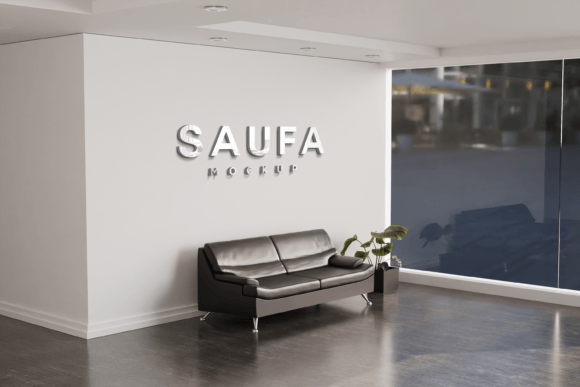
Elevate Your Brand with a Silver Effect Logo Mockup
In the competitive landscape of modern branding, the difference between a logo that is merely seen and one that is remembered often lies in its presentation. A flat, two-dimensional image on a white background rarely conveys the weight, texture, or prestige a business aims to project. This is where a Logo Mockup with Silver Effect becomes an indispensable tool for designers, marketers, and business owners. By simulating how a design interacts with light, shadow, and physical materials, these mockups transform abstract concepts into tangible assets. They allow you to visualize your brand identity as it would appear in the real world, specifically leveraging the sleek, professional aesthetic of metallic finishes.
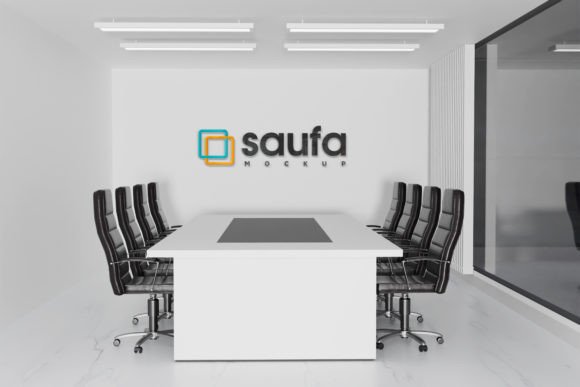
The specific value of utilizing a mockup that incorporates realistic effects and various perspectives cannot be overstated. When your audience sees a logo rendered with a silver, gold, or embossed finish against a backdrop of modern architecture, it subconsciously signals quality and stability. These visual cues are critical when pitching to high-end clients or launching a premium product line. The ability to place your design within a context featuring Modern Building styles adds a layer of sophistication that standard presentations lack. It suggests that your brand belongs in contemporary, forward-thinking environments.
Transforming Digital Files into Tangible Assets
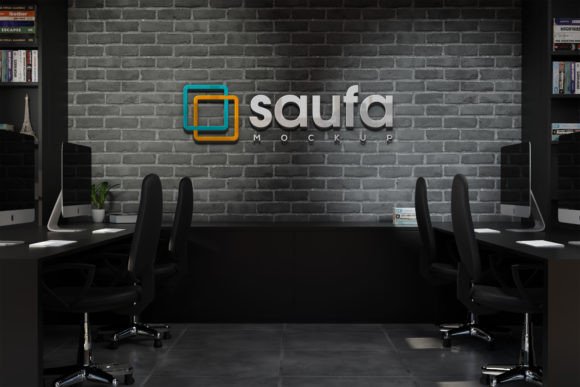
One of the primary challenges in digital design is bridging the gap between a screen and physical reality. A vector file looks crisp on a monitor, but it offers no indication of how the logo will look on a brushed metal sign, a glass office door, or a corporate letterhead. A high-quality 3D realistic mockup solves this problem by applying complex lighting and texture maps to your artwork. When you use a template featuring a silver effect, you are essentially testing how your typography and iconography handle reflection and depth.
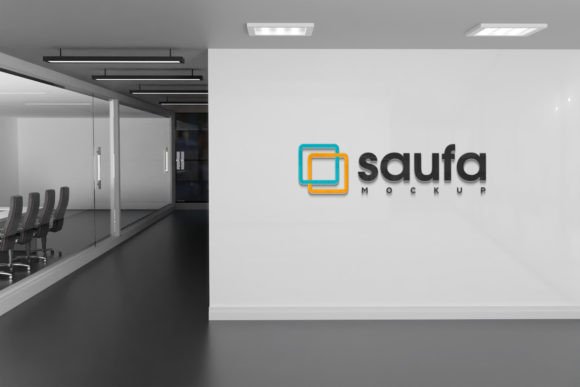
Consider the practical application for a rebranding project. Before committing to expensive signage production, a business owner can use these mockups to approve the look and feel of the new identity. The embossed or 3D variations available in these packs allow stakeholders to see how the logo stands out from the surface. This visual confirmation simplifies decision-making and reduces the risk of costly errors during the manufacturing phase. It turns a subjective discussion about "how it might look" into an objective review of a photorealistic representation.
Efficiency Through Smart Object Technology
For professionals working under tight deadlines, efficiency is just as important as quality. Modern mockup templates are engineered to streamline the workflow through the use of Smart Objects. This feature allows users to replace the placeholder design with their own artwork in just a few clicks. There is no need to manually adjust shadows, highlights, or perspective grids. Once the new design is placed, the software automatically applies the intricate silver textures, lighting conditions, and environmental reflections.
This capability is particularly beneficial for freelancers and agencies managing multiple client accounts. You can rapidly generate variations of a single logo concept—switching between silver, gold, or matte finishes—to present a comprehensive range of options during a client meeting. The fully layered PSD structure ensures that every element, from the background to the foreground text, remains editable. With organized layers and clear folder names, even complex compositions remain manageable, allowing you to focus on creative strategy rather than technical manipulation.
Contextual Storytelling with Modern Architecture
A logo does not exist in a vacuum; it lives in the environment where your customers interact with your business. Many advanced mockup packs include backgrounds featuring various styles of Modern Building facades. These settings provide a crucial narrative context. Placing a sleek, silver logo against the clean lines of contemporary glass and steel architecture reinforces a brand message of innovation and modernity. Conversely, a more traditional setting might be chosen for heritage brands, but for tech startups, financial firms, and luxury retailers, the modern building aesthetic is often the ideal match.
Using these diverse perspectives helps in creating marketing materials that resonate with specific target audiences. For instance, a real estate developer can use a mockup showing their logo on a skyscraper to instill confidence in potential investors. A fashion blogger might use the same tool to visualize their personal brand on a boutique storefront. The inclusion of different angles and distances in the mockup pack ensures that you have the right visual for everything from a website header to a large-format billboard simulation.
Technical Specifications and Versatility
The utility of any design asset is heavily dependent on its technical quality. High-resolution output is non-negotiable for professional use. A robust mockup pack typically offers dimensions around 4000 x 2500 pixels at 72 DPI, which provides sufficient detail for high-definition web displays and moderate print applications. The realistic background elements are rendered with care to ensure that shadows fall naturally and reflections behave according to physical laws, maintaining the illusion of reality.
Furthermore, the versatility of file formats included in these packs—usually comprising a PSD for editing, a JPEG for quick sharing, and a PNG for transparent background needs—ensures compatibility across different platforms. Whether you are uploading a portfolio piece to Behance, sending a proof to a client via email, or embedding an image in a pitch deck, having the right format ready saves time and maintains professionalism.
- Realistic Depth: The 3D effects simulate genuine material properties, making the logo appear physically present.
- Time-Saving Workflow: Smart Objects eliminate hours of manual shading and texturing work.
- Versatile Presentation: Multiple perspectives and building styles cater to various industry needs.
- High Fidelity: Organized layers and high resolution ensure the final output meets professional standards.
Strategic Applications for Different Professionals
While graphic designers are the primary users of these tools, the benefits extend to a wider audience. Entrepreneurs launching a new venture can use these mockups to create compelling social media teasers before their physical location is even built. Marketers can A/B test different logo finishes to see which resonates better with their audience. Educators teaching brand identity courses can use them to demonstrate the importance of material selection in logo design.
However, it is important to recognize limitations. While a Logo Mockup with Silver Effect provides an excellent visualization, it is a simulation. Lighting conditions in the mockup may not perfectly match the actual installation site. Therefore, these tools should be used for conceptualization and presentation rather than as a definitive guide for fabrication without further consultation with signage experts. Additionally, users should ensure their original logo design is vector-based and high-contrast to achieve the best results when applied to metallic textures; overly complex or low-resolution logos may lose detail when subjected to intense reflective effects.
Ultimately, the goal is to communicate value. By presenting a logo with the gravitas of a silver finish and the context of a modern architectural setting, you elevate the perceived value of the brand itself. It shows attention to detail and a commitment to quality. In a marketplace where first impressions are often digital, providing a rich, textured, and realistic view of your brand identity can be the deciding factor in winning trust and securing business.