Evaluating the Rough Text Effect for Modern Design Projects
In the evolving landscape of digital design, texture plays a pivotal role in establishing mood and hierarchy. Among the various stylistic choices available to creators, the Rough Text Effect has emerged as a distinct category that bridges the gap between clean vector aesthetics and organic, tactile realism. This style is characterized by distressed edges, grain overlays, and an intentional lack of polish that mimics worn print, weathered signage, or hand-stamped lettering. For designers aged 20 to 50 who are evaluating resources for branding, social media, or editorial work, understanding the specific utility of this effect compared to smoother alternatives is essential for making informed asset choices.
Defining the Aesthetic and Technical Structure
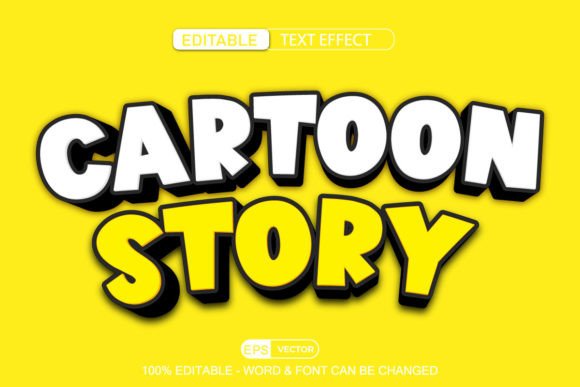
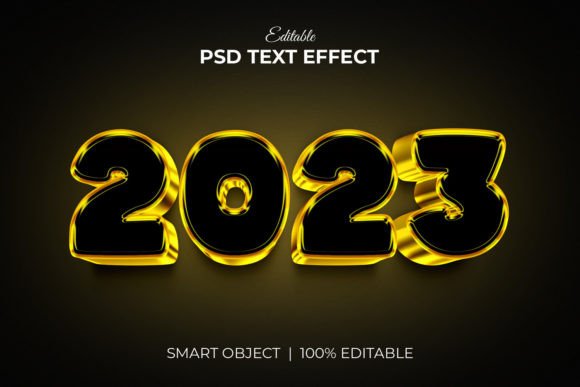
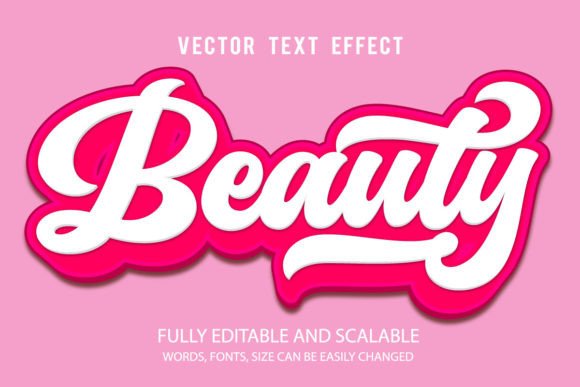
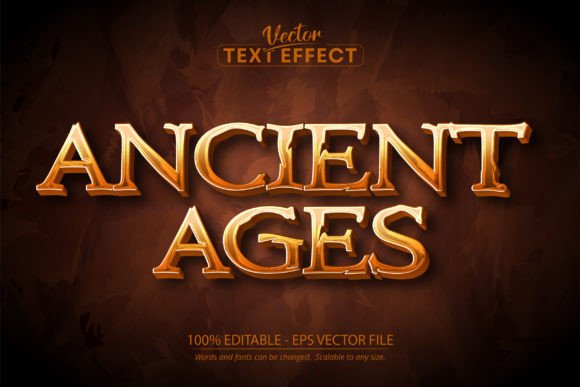
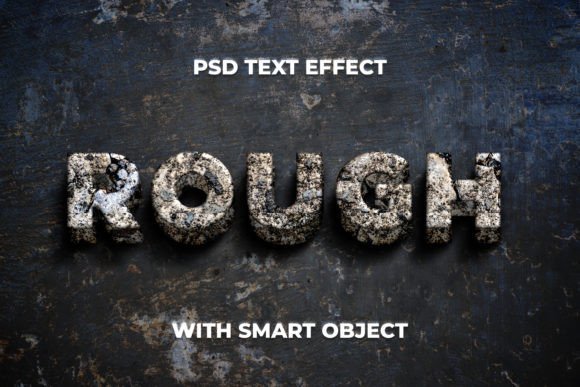
The core appeal of the Rough Text Effect lies in its ability to inject personality into otherwise sterile typography. Unlike standard flat text or simple drop shadows, this approach utilizes complex layer blending modes, noise filters, and displacement maps to create depth. When examining high-quality resources, such as those offering 3D typography with a rough finish, the technical execution becomes apparent. These files typically rely on Smart Objects within Photoshop (PSD) formats, allowing users to swap base layers without disrupting the intricate texture mapping.
What distinguishes a premium Rough Text Effect from a basic filter application is the resolution and organization of the layers. Professional-grade assets often provide resolutions around 3000x2000 pixels, ensuring that the "grain" does not pixelate when scaled for large-format printing or high-definition screens. The inclusion of well-organized layers means that a designer can isolate specific elements—such as the shadow, the highlight, or the grunge overlay—to customize the intensity of the distress. This level of control is crucial when adapting a preset to fit a specific brand guideline that may require a subtler or more aggressive look than the default setting.
Comparative Analysis: Rough vs. Clean and Other Styles
When selecting a typographic style, the decision often comes down to the message the design needs to convey. The Rough Text Effect occupies a specific niche that differs significantly from other popular categories:
- Rough vs. Minimalist/Clean: Minimalist typography relies on sharp edges, uniform stroke weights, and high contrast to communicate modernity and efficiency. In contrast, the Rough Text Effect introduces chaos and history. It is less suitable for corporate financial reports but excels in contexts requiring authenticity, such as craft brewing labels, music festival posters, or streetwear branding.
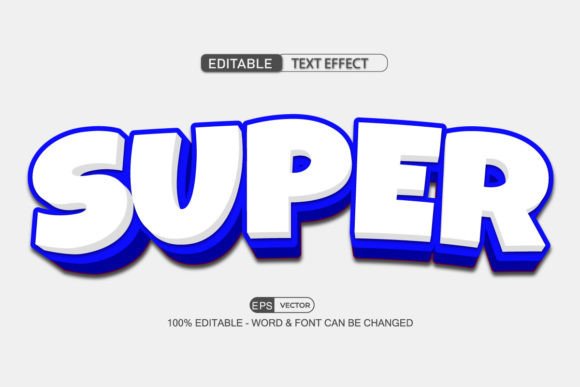
- Rough vs. Glossy 3D: While both styles offer three-dimensionality, glossy 3D text suggests technology, luxury, and futurism through reflections and smooth gradients. The rough variant suggests durability, age, and manual labor. Choosing between them depends on whether the project aims to feel "manufactured" or "crafted."
- Rough vs. Hand-Lettering: Hand-lettering offers unique, one-of-a-kind irregularities. However, creating custom hand-lettered assets with consistent 3D depth is time-consuming. A pre-made Rough Text Effect template provides a middle ground, offering the organic feel of hand-done work with the consistency and editability of a digital font.
Understanding these tradeoffs helps designers avoid stylistic mismatches. For instance, applying a heavy grunge effect to a healthcare logo might inadvertently signal uncleanliness rather than resilience. Conversely, using a sleek, glass-like effect for a vintage motorcycle repair shop would fail to resonate with the target audience's expectations of grit and reliability.
Practical Applications and Use Cases
The versatility of the Rough Text Effect extends across various media formats, provided the resolution and file structure support the intended output. Because these effects are often delivered as editable PSDs with Smart Objects, they are particularly valuable for rapid prototyping and high-volume content creation.
Digital Marketing and Social Media
In the realm of social media, where attention spans are short, texture can stop the scroll. A Facebook cover or YouTube banner utilizing a rough, 3D title can establish a strong channel identity immediately. The key here is legibility; the distress should not obscure the text. High-resolution templates allow designers to tweak the contrast to ensure the text remains readable against busy background images. Similarly, Twitter covers and promotional banners benefit from this style when announcing sales or events that have an urgent or exclusive feel.
Merchandise and Apparel
One of the strongest use cases for this effect is in T-shirt design and clothing graphics. The fashion industry, particularly in the streetwear and alternative sectors, frequently utilizes distressed typography to mimic the look of vintage screen printing. When preparing files for print-on-demand services or local screen printers, the 300 DPI resolution found in quality resources is non-negotiable. A low-resolution mockup might look acceptable on a screen but will appear blurry and amateurish when printed on fabric. The ability to edit the Smart Object ensures that the design fits perfectly within the printable area of the garment template.
Entertainment and Editorial
For movie titles, cartoon intros, and poster designs, the Rough Text Effect sets the tone before the story even begins. A horror film might use a jagged, eroded font, while an adventure documentary might employ a weathered, sand-blasted look. In editorial design, such as magazine spreads or flyers, this style can be used for pull quotes or section headers to break up the visual monotony of standard serif or sans-serif body text. It adds a layer of illustration to the typography, turning words into visual artifacts.
Evaluation Criteria: What to Look for in a Resource
Not all text effect resources are created equal. When evaluating a download or purchase, several factors determine whether the asset will save time or create additional workflow bottlenecks.
- Editability via Smart Objects: The most critical feature is the presence of Smart Objects. A resource that requires manual masking or painting for every new word is inefficient. The ideal workflow involves double-clicking a layer thumbnail, typing the new text, saving, and seeing the effect update automatically with all lighting and texture intact.
- Layer Organization: A file with 100+ layers can become unmanageable if not grouped logically. Look for resources where adjustment layers (Curves, Levels, Color Balance) are clearly labeled and grouped by function (e.g., "Global Color," "Texture Overlay," "Shadows"). This organization allows for quick color shifts to match brand palettes without hunting through a stack of unnamed layers.
- Resolution and Scalability: As mentioned, a baseline of 3000x2000 pixels is standard for professional use. However, consider the scalability. Can the effect be applied to vector logos without losing the texture definition? Some advanced templates allow the base shape to be swapped with a vector logo, maintaining the rough edge treatment on complex curves.
- Variety within the Pack: A single effect is useful, but a collection offering variations (e.g., different levels of distress, color presets, or lighting angles) provides better long-term value. This prevents the designer's portfolio from looking repetitive when using the same asset for multiple clients.
Limitations and Decision Factors
While the Rough Text Effect is powerful, it is not a universal solution. Designers must recognize its limitations. First, legibility is the primary constraint. Heavy distress can reduce readability, especially at small sizes or on low-contrast backgrounds. If the primary goal is clear information delivery, such as in wayfinding or instructional manuals, a cleaner style is preferable.
Secondly, there is the issue of trend longevity. Grunge and distressed textures have cycled in and out of popularity for decades. While currently effective for certain niches, overusing this style can date a brand quickly. It is often wiser to use the effect for campaign-specific materials (like a limited-time flyer or event poster) rather than for a permanent core logo, unless the brand identity is explicitly built around this aesthetic.
Finally, consider the technical overhead. While Smart Objects simplify editing, they still require Adobe Photoshop. Designers working exclusively in vector-based tools like Illustrator or web-based platforms like Canva may find PSD files cumbersome to integrate unless they are comfortable exporting flattened PNGs with transparent backgrounds. In such cases, the "easy edit" promise holds true only if the user has the correct software environment.
Making the Right Choice
Ultimately, incorporating a Rough Text Effect into a project is a strategic decision about tone and texture. It is the right choice when the objective is to evoke emotion, suggest history, or stand out in a sea of polished digital content. For projects ranging from greeting cards and placards to high-impact website elements and wallpapers, the right template can drastically reduce production time while elevating the visual quality.
By prioritizing resources that offer high resolution, logical layer structures, and true Smart Object functionality, designers can leverage this style effectively. Whether the goal is to create a gritty movie title or a textured apparel graphic, the value lies not just in the visual result, but in the flexibility the file provides to adapt that result to unique creative challenges. As with any design tool, the effectiveness of the Rough Text Effect depends on matching the asset's capabilities with the specific demands of the project at hand.